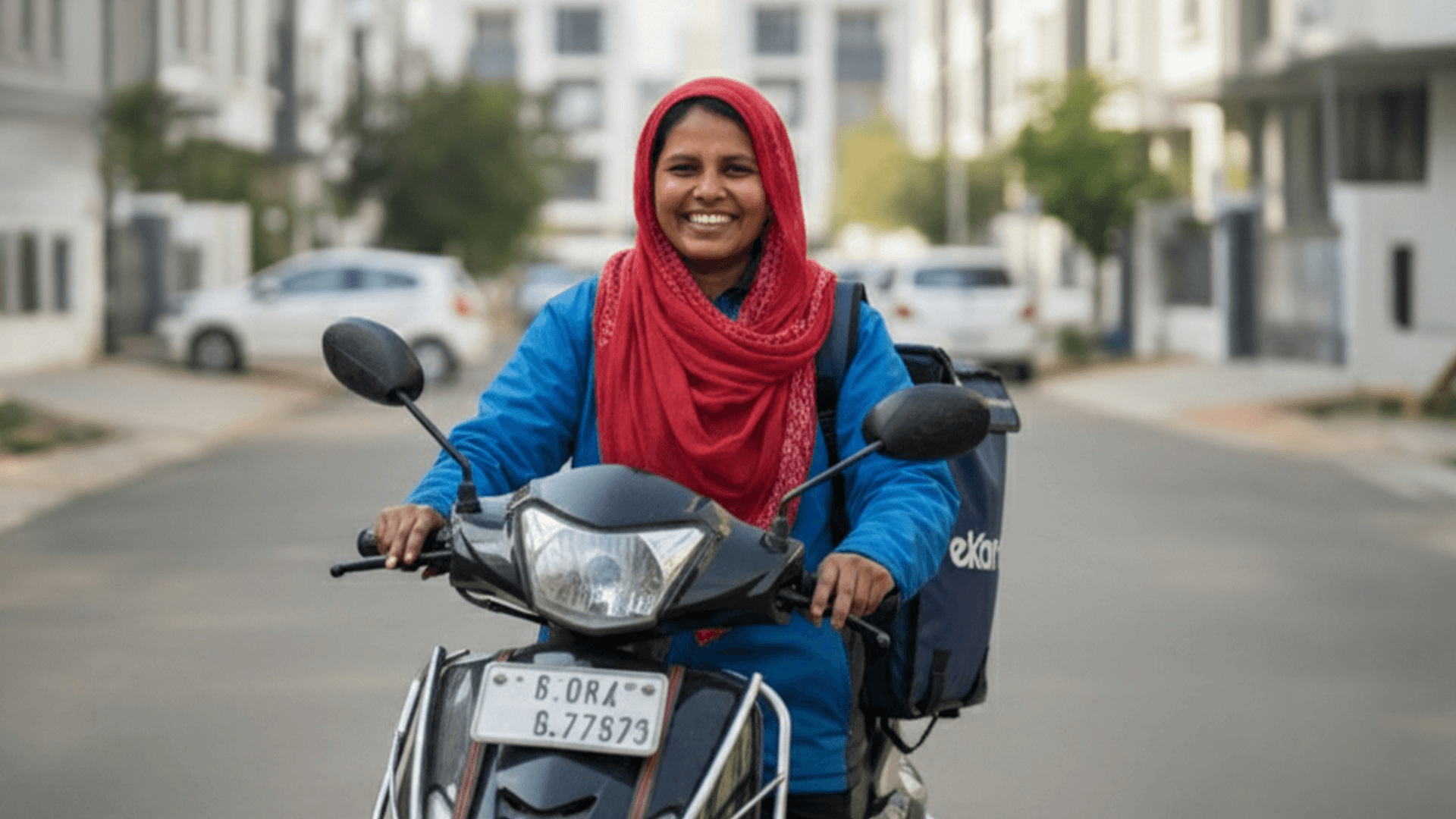
Less than two years after its August 2024 launch, Flipkart Minutes has rapidly scaled its quick commerce network to 1,000 Micro Fulfilment Centers across 130+ cities and 8,000+ PIN codes.
The momentum is driven by a clear shift: quick commerce is transitioning from an urban luxury into a mainstream retail habit across India.
___________________________________________________________________________
Watch the video below for the Flipkart Minutes journey in numbers:
___________________________________________________________________________
The Two Engines Driving Growth

The platform’s expansion is being powered by two distinct consumer forces:
- The 'Bharat' Surge (Tier 2 & 3 Cities): Flipkart Minutes expanded into 90+ new cities over the past year (including Ambala, Arrah, Bokaro, Darbhanga, Jorhat, Ongole, Purnia, Saharsa, and Tenali). Tier-2 and Tier-3 markets recorded a massive 42X scale compared to last year.
- The Gen Z Factor: Gen Z is Flipkart Minutes’ fastest-growing cohort, now making up 40%+ of the total customer base, using quick commerce as an on-demand shopping habit for beauty, electronics, wellness, and lifestyle - not just emergency groceries.
The physical expansion has also driven a 5X increase in orders from the previous year.
Empowering the Ecosystem and Greening the Supply Chain
Scaling to 1,000 centers requires a robust backend, resulting in large-scale job creation across sourcing, warehousing, operations, and last-mile delivery. The platform currently partners with nearly 500 D2C brands, giving them immediate access to new customer segments and hyperlocal demand.
___________________________________________________________________________
Also Watch: How Flipkart Minutes Navigates Shimla’s hills
___________________________________________________________________________
At the agricultural level, Flipkart Minutes, via the Flipkart Samarth Krishi program, empowers 3,000+ farmers in partnership with Farmer Produce Organizations (FPOs). This farm-to-door fulfillment model connects producers directly to consumer markets, strengthening supply chain transparency.
Operational growth has also been paired with sustainable initiatives:
- Flipkart scaled its electric vehicle (EV) fleet by 2X in the past year.
- EVs now power over 10% of deliveries.
- 20% of customers opted for reusable bags.
Combined with route optimization, these initiatives are actively reducing the environmental footprint of the expanding network.
Read the full Press Release here.